By Quitano Gonzalez
Mon, Oct 19 2026
Irish Boxing in 2026
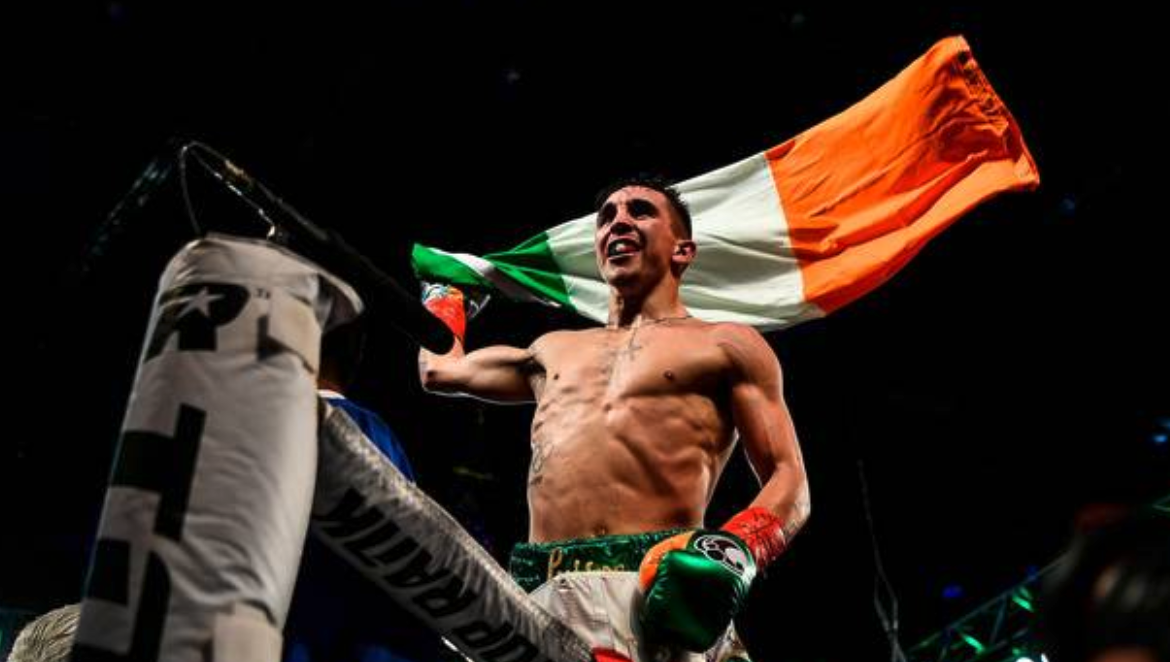
Ireland holds more Olympic boxing medals than medals in any other sport. The population sits near 5.3 million, so the return per head ranks among the highest in Europe. The base sits in small club gyms rather than in commercial academies. Boxing stays the country's most reliable source of international success.
Late cards keep Irish viewers awake past 3 AM, and plenty of them split the night between the stream and other screens, so betting and casino sites accepting Mastercard in Ireland cover most of that traffic. The boxing side of the night still starts much earlier, inside a club gym. A fighter in Ireland usually laces gloves at eight or nine years old.
The Amateur Base Behind the Record
The Irish Athletic Boxing Association runs roughly 300 affiliated clubs across the island. Each one operates on subscriptions and volunteer coaching. The structure reaches towns with no other organised sport facility.
Dublin's National Stadium opened in 1939 on the South Circular Road. It remains the only arena in the world built specifically for boxing. National finals still take place there every February.
Irish medals come almost entirely from the amateur code. The scoring system rewards clean punches and ring control rather than damage. Club coaches teach that method from the first session, and it carries fighters through the international circuit.
Ireland's Olympic Boxing Medals
Ireland first entered Olympic boxing in 1924. The medal count now stands at 18, and every one came from the ring. The table lists the gold medallists and the most recent podium finishes.
What Makes the Irish Style
Coaches across the country teach a recognisable set of habits. The method suits the amateur scoring system and travels into the professional ranks with adjustments. These points show up in most Irish fighters:
The professional game asks for more. Twelve rounds change the pacing, and the judging rewards heavier shots. Irish fighters who cross over usually add weight and slow their early tempo.
Pro Fighters to Follow Now
Katie Taylor holds the clearest record of the current generation. She turned professional in 2016 after the London gold and unified the lightweight division within four years. Her fights fill arenas in New York, Dublin and London.
Michael Conlan moved to the paid ranks in 2017 after the Rio quarter-final. He built a featherweight run through Belfast and New York cards. His nights at the SSE Arena drew sell-out crowds on St Patrick's weekend.
A younger group now pushes through the middleweight and welterweight ranks. Most of them come from the same Dublin and Belfast clubs that produced the Olympic squad. Their early professional cards run at the National Stadium and the 3Arena.
Katie Taylor and the Growth of Women's Boxing
Taylor headlined Madison Square Garden in April 2022 against Amanda Serrano. The bout was the first women's fight to top the bill at that venue. Reported purses for both fighters passed one million dollars.
Her Croke Park appearance in May 2023 drew a crowd of over 20,000. Club registrations for girls in Ireland climbed steadily through the following seasons. The IABA now runs full female categories at every national championship.
Fight Night Timing for Irish Viewers
Ireland runs on Greenwich Mean Time and shifts an hour forward in summer. American cards therefore land in the small hours, and Middle East cards land late in the evening. The table gives the usual main event windows.
A Riyadh card suits an Irish audience better than any American one. The main event lands before midnight with no alarm needed. Vegas nights ask for a 4 AM start or a Sunday replay.
How Irish Fans Follow the Cards
Major American cards sell through pay-per-view on DAZN and ESPN platforms. Irish and British bills run on Sky Sports and TNT Sports subscriptions. Undercards start four or five hours before the headline act, so the stream opens well ahead of the walk-ons.
Fight markets track the same cards. Prices cover method of victory, round groupings, and points decisions. A points line on a technical boxer often sits shorter than a stoppage line on the same night. The numbers follow recent form and the opponent's record rather than the name on the poster.
FAQ
How many Olympic boxing medals does Ireland hold?
Ireland holds 18 Olympic boxing medals. Boxing accounts for the majority of the country's total Olympic haul across all sports.
Who won Ireland's first Olympic boxing gold?
Michael Carruth won welterweight gold at Barcelona in 1992. Wayne McCullough took bantamweight silver at the same Games.
Where do Irish national finals take place?
The National Stadium in Dublin hosts the national finals each February. The venue opened in 1939 and was built for boxing alone.
What time do Las Vegas cards start in Ireland?
Main events from Las Vegas usually begin between 4 AM and 6 AM Irish time on Sunday morning. Undercards start several hours earlier.
How many boxing clubs operate in Ireland?
Around 300 clubs affiliate to the Irish Athletic Boxing Association. They run on member subscriptions and volunteer coaches.
Which Irish boxer has two Olympic golds?
Kellie Harrington won lightweight gold at Tokyo 2020 and defended the title at Paris 2024. She trains out of Dublin.
Late cards keep Irish viewers awake past 3 AM, and plenty of them split the night between the stream and other screens, so betting and casino sites accepting Mastercard in Ireland cover most of that traffic. The boxing side of the night still starts much earlier, inside a club gym. A fighter in Ireland usually laces gloves at eight or nine years old.
The Amateur Base Behind the Record
The Irish Athletic Boxing Association runs roughly 300 affiliated clubs across the island. Each one operates on subscriptions and volunteer coaching. The structure reaches towns with no other organised sport facility.
Dublin's National Stadium opened in 1939 on the South Circular Road. It remains the only arena in the world built specifically for boxing. National finals still take place there every February.
Irish medals come almost entirely from the amateur code. The scoring system rewards clean punches and ring control rather than damage. Club coaches teach that method from the first session, and it carries fighters through the international circuit.
Ireland's Olympic Boxing Medals
Ireland first entered Olympic boxing in 1924. The medal count now stands at 18, and every one came from the ring. The table lists the gold medallists and the most recent podium finishes.
What Makes the Irish Style
Coaches across the country teach a recognisable set of habits. The method suits the amateur scoring system and travels into the professional ranks with adjustments. These points show up in most Irish fighters:
- Work at range with a long lead hand and a high guard;
- A fast opening round to bank early points;
- Movement off the back foot rather than a stationary exchange;
- Switching between orthodox and southpaw stances mid-round;
- Body work stacked behind the jab rather than as an opener;
- Defensive discipline taught before power at club level.
The professional game asks for more. Twelve rounds change the pacing, and the judging rewards heavier shots. Irish fighters who cross over usually add weight and slow their early tempo.
Pro Fighters to Follow Now
Katie Taylor holds the clearest record of the current generation. She turned professional in 2016 after the London gold and unified the lightweight division within four years. Her fights fill arenas in New York, Dublin and London.
Michael Conlan moved to the paid ranks in 2017 after the Rio quarter-final. He built a featherweight run through Belfast and New York cards. His nights at the SSE Arena drew sell-out crowds on St Patrick's weekend.
A younger group now pushes through the middleweight and welterweight ranks. Most of them come from the same Dublin and Belfast clubs that produced the Olympic squad. Their early professional cards run at the National Stadium and the 3Arena.
Katie Taylor and the Growth of Women's Boxing
Taylor headlined Madison Square Garden in April 2022 against Amanda Serrano. The bout was the first women's fight to top the bill at that venue. Reported purses for both fighters passed one million dollars.
Her Croke Park appearance in May 2023 drew a crowd of over 20,000. Club registrations for girls in Ireland climbed steadily through the following seasons. The IABA now runs full female categories at every national championship.
Fight Night Timing for Irish Viewers
Ireland runs on Greenwich Mean Time and shifts an hour forward in summer. American cards therefore land in the small hours, and Middle East cards land late in the evening. The table gives the usual main event windows.
A Riyadh card suits an Irish audience better than any American one. The main event lands before midnight with no alarm needed. Vegas nights ask for a 4 AM start or a Sunday replay.
How Irish Fans Follow the Cards
Major American cards sell through pay-per-view on DAZN and ESPN platforms. Irish and British bills run on Sky Sports and TNT Sports subscriptions. Undercards start four or five hours before the headline act, so the stream opens well ahead of the walk-ons.
Fight markets track the same cards. Prices cover method of victory, round groupings, and points decisions. A points line on a technical boxer often sits shorter than a stoppage line on the same night. The numbers follow recent form and the opponent's record rather than the name on the poster.
FAQ
How many Olympic boxing medals does Ireland hold?
Ireland holds 18 Olympic boxing medals. Boxing accounts for the majority of the country's total Olympic haul across all sports.
Who won Ireland's first Olympic boxing gold?
Michael Carruth won welterweight gold at Barcelona in 1992. Wayne McCullough took bantamweight silver at the same Games.
Where do Irish national finals take place?
The National Stadium in Dublin hosts the national finals each February. The venue opened in 1939 and was built for boxing alone.
What time do Las Vegas cards start in Ireland?
Main events from Las Vegas usually begin between 4 AM and 6 AM Irish time on Sunday morning. Undercards start several hours earlier.
How many boxing clubs operate in Ireland?
Around 300 clubs affiliate to the Irish Athletic Boxing Association. They run on member subscriptions and volunteer coaches.
Which Irish boxer has two Olympic golds?
Kellie Harrington won lightweight gold at Tokyo 2020 and defended the title at Paris 2024. She trains out of Dublin.