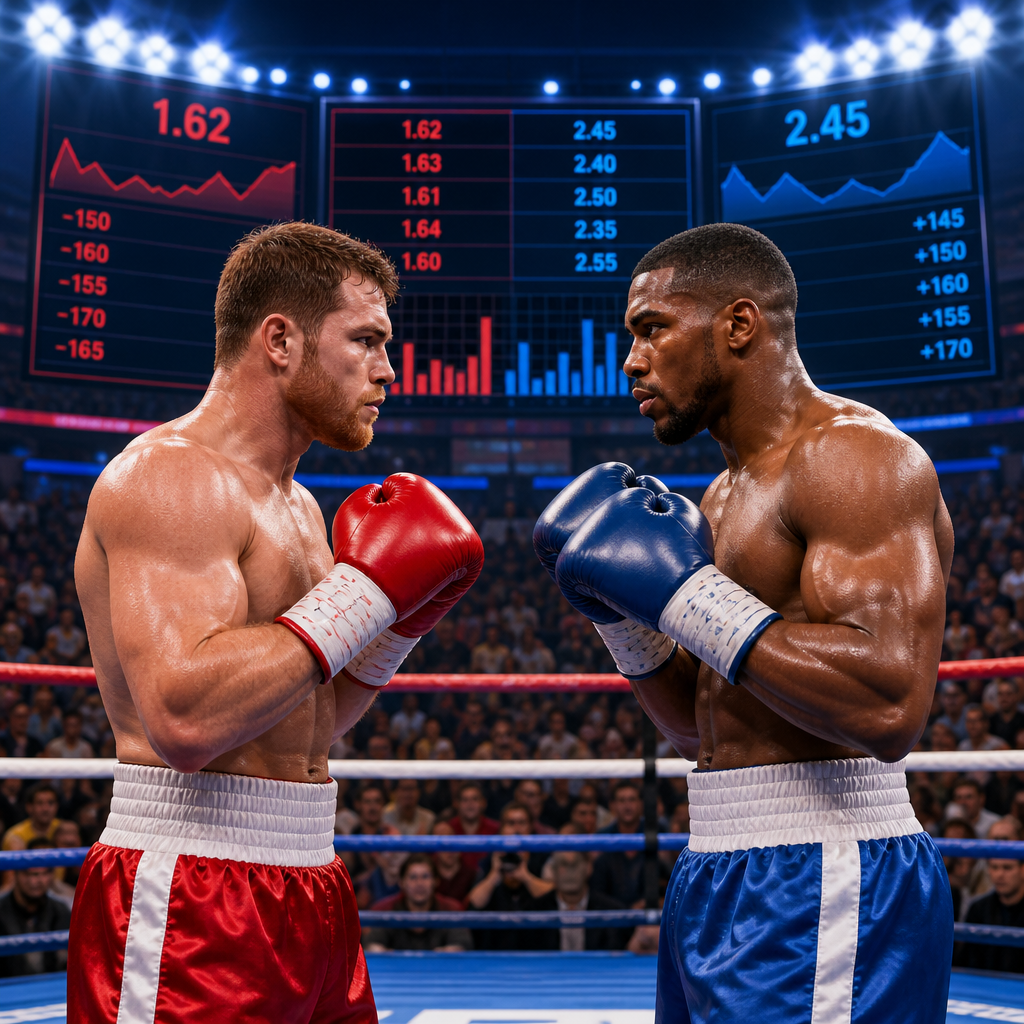
Understanding How Boxing Match Odds Really Work
Fans talk about upsets, live underdogs and “sure things” every fight week, but much of that comes down to how people read boxing match odds. When handled the right way, odds are not just numbers for gamblers; they are another lens for understanding styles, momentum and how a matchup might actually unfold once the bell rings.
What Boxing Odds Are Really Saying
In simple terms, boxing odds are prices on how likely a result is considered to be before a punch is thrown. They condense everything from recent form and injuries to weight questions and stylistic clashes into a single number that fans can react to and debate.
Many followers now check live lines on platforms listing boxing match odds at the same time they scroll training clips and press conference footage. That snapshot helps frame conversations: is a veteran being underrated because of one bad night, or is a rising prospect being pushed too quickly against real opposition?
From an analytical point of view, odds are a kind of crowd-sourced prediction. Prominent matchmakers, serious bettors and sharp observers all feed into the market in different ways, and the prices end up reflecting a wide blend of opinions. That does not mean the favorite always wins, but it does mean the number usually tells an honest story about how the matchup is viewed before fight night.
Where fans sometimes go wrong is treating the odds as if they are guarantees rather than expectations. A 4-to-1 favorite is still expected to lose one out of five times in that scenario. Over a long timeline, upsets and shock knockouts are not freak events; they are baked into what those numbers quietly predict.
How Analysts And Fans Use Odds
Serious boxing fans very rarely look at odds in isolation. More often, the process starts with the same habits trainers use: watching tape, checking recent weight trends, noting how fighters finish camps and how they look on the scales. Only then do the numbers come into the discussion as one more reference point.
For readers who want a clearer handle on how moneylines, round props and other boxing betting odds explained can shape pre-fight expectations, this Dubois–Wardley II breakdown offers a practical, fight-specific guide. It shows how sharply odds can move when new information arrives, such as cut injuries, late opponent changes or clear signs that one corner is struggling with weight.
Among fans, odds also serve as a useful check against bias. The hometown fighter usually sounds unbeatable on local radio; the former champion insists they had an off night last time out and promises a vintage performance. When the market still leans heavily in the other direction, it nudges observers to ask why. Has the volume dropped in recent fights? Has the defense become easier to read? Are the legs no longer what they were at world level?
In the week before a big card, social media debates often blend tape study, gym talk and the latest boxing match odds into one running conversation. Some handicap based on output and work rate, others trust timing and single-shot power. The shared reference point is that everyone can see where the market stands and then build arguments for or against it using what they see in the ring.
Blending Numbers With In Ring Reality
Odds alone cannot explain whether a pressure fighter will actually cut the ring effectively, or whether a tall outside boxer will be brave enough to hold their ground when the heat is on. That is where style matchups and real experience come back into focus.
When you move beyond surface-level fight-night probability models, this feature shows how punch stats, cardio trends and matchup data can be used alongside public boxing match odds to build a deeper view of any bout. Punch accuracy, jab activity and late-round output are the kind of details that often explain why a fighter is favored at the window long before casual fans catch on.
Trainers and experienced fighters tend to look for repeatable patterns. Does a boxer consistently dip to the same side after throwing the right hand? Do they back out in straight lines under pressure? Have they shown the ability to adjust mid-fight when Plan A breaks down? These habits can matter more than raw knockout ratios, and markets often adjust fast once footage makes those patterns obvious.
Physical and psychological variables matter just as much. Moving up or down a division, especially for title fights, often changes how punishing the championship rounds become. A slick counterpuncher who looks untouchable at 140 might suddenly get walked down by true welterweights at 147. Conversely, a fighter who has boiled down for years can look refreshed and sturdier when the body no longer has to hit extreme numbers on the scale.
In fully unified or undisputed bouts, where both fighters are proven at the top level, the numbers before the bell often come down to tiny perceived edges. A slightly younger champion with cleaner recent performances might be a small favorite, while an older, more battle-tested rival offers value to those who still believe in their ring IQ and composure under pressure.
Ultimately, boxing match odds are just another part of the modern fight week landscape, sitting alongside training camp stories, style breakdowns and historical comparisons. Fans who learn to interpret them sensibly gain a sharper feel for how matchups are viewed worldwide, and that, in turn, makes every upset, every one-sided beatdown and every tactical chess match more interesting to watch and talk about long after the scorecards are read.